
The evolution of gambling through the ages A journey from ancient practices to modern-day trends
Origins of Gambling in Ancient Civilizations
The origins of gambling can be traced back to ancient civilizations, where games of chance played a significant role in various cultures. The earliest known evidence of gambling dates back to around 3000 BC in Mesopotamia, where people used dice made from animal bones. These primitive dice games were not only a source of entertainment but also often intertwined with religious practices, as individuals would gamble for favors from the gods. Today, you can explore modern systems by visiting woolbetonline.com, where digital platforms have transformed the way we engage with gambling.

In ancient China, gambling evolved into more structured forms, with references found in historical texts dating back to 2200 BC. The Chinese developed a lottery-style game called “Keno,” which served both as a means of generating revenue for the government and a source of amusement for the populace. Similarly, ancient Romans used dice games and betting on gladiatorial contests, showcasing how deeply gambling was embedded in the social fabric of these societies.
The incorporation of gambling into cultural practices highlights its significance beyond mere entertainment. It was often used as a bonding activity in communities, and winning or losing was seen as a reflection of luck or divine favor. As civilizations developed, so did their gambling practices, which would eventually evolve into the structured games we recognize today.
The Middle Ages and the Birth of Gaming Houses
The Middle Ages marked a pivotal point in the evolution of gambling, as the establishment of gaming houses began to take shape in Europe. As societal structures became more organized, gambling transitioned from informal settings to dedicated venues. These early gaming houses catered to the upper classes, offering a variety of games that ranged from dice to card games, and provided an avenue for socializing among the elite.
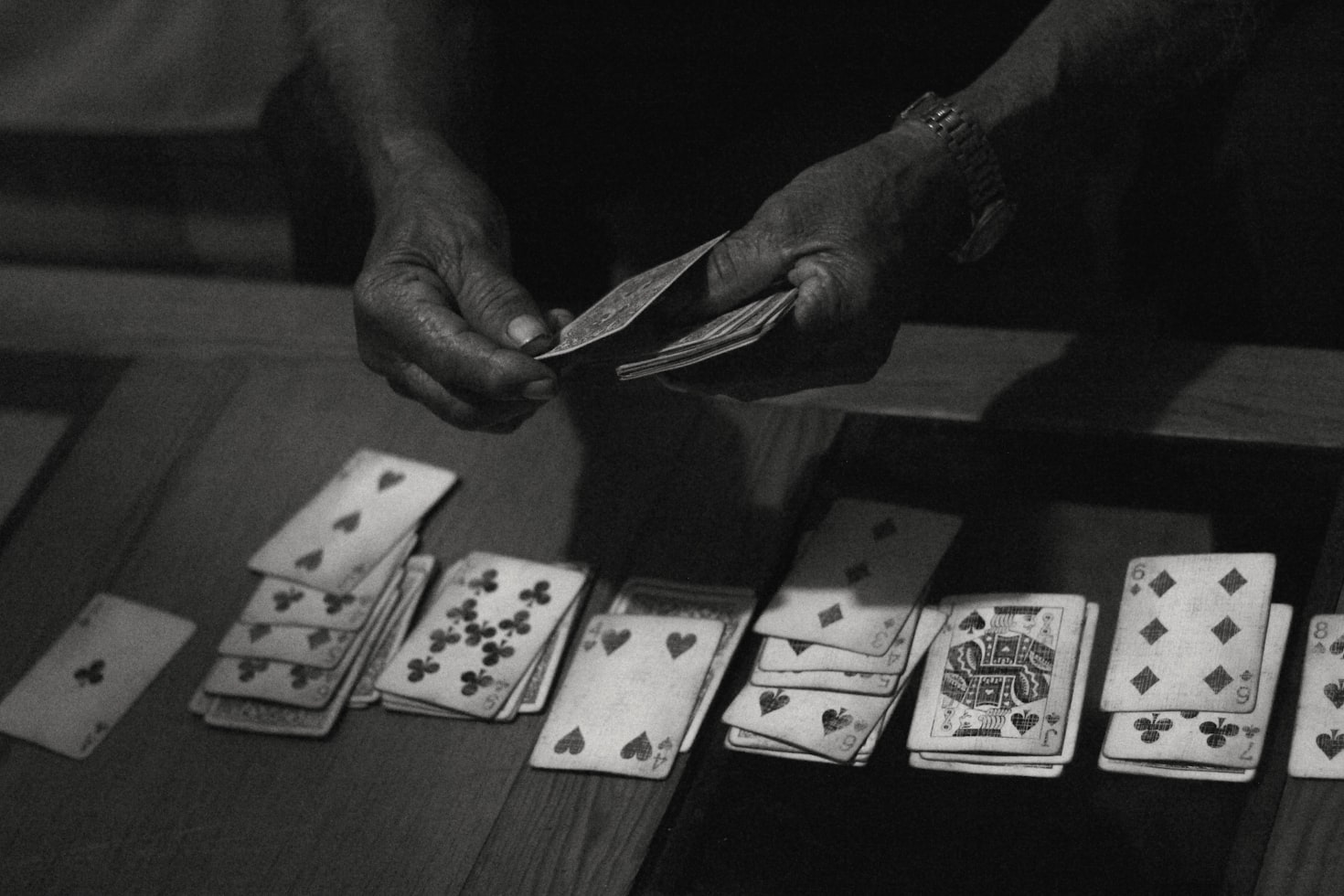
During this period, card games gained popularity, with the introduction of playing cards to Europe from Asia. The development of games like poker and blackjack can be traced back to this era. The invention of the printing press further revolutionized gambling by making playing cards more accessible to the masses, thus democratizing the pastime. This period also saw the rise of gambling as a regulated activity, leading to the creation of laws governing betting and gaming practices.
The cultural implications of gambling during the Middle Ages were profound. It served as a form of escapism, allowing individuals to engage in risk-taking behavior outside of the rigid social norms of the time. However, it also garnered criticism from religious authorities, who often viewed gambling as a vice. This tension between societal acceptance and condemnation would continue to shape the narrative of gambling for centuries to come.
The Renaissance and the Rise of Commercial Gambling
The Renaissance ushered in an era of innovation and exploration, and gambling was no exception. This period saw the transformation of gambling from a casual pastime into a commercial enterprise, with the establishment of formal casinos in cities like Venice and Monte Carlo. These establishments offered a wide array of games, including roulette and baccarat, attracting not only locals but also international travelers seeking entertainment.
The spread of gambling during the Renaissance was facilitated by increased trade and travel, which led to the exchange of ideas and gaming practices across Europe. With the rise of the bourgeoisie, gambling became a popular pastime among the rising middle class, leading to the proliferation of gambling establishments. Additionally, the introduction of gaming regulations began to take shape, as governments recognized the economic potential of this burgeoning industry.
However, this commercialization also brought about challenges. As more people engaged in gambling, issues like addiction and financial ruin began to surface. Social attitudes towards gambling fluctuated, as it became both a symbol of prosperity and a source of moral concern. This duality would continue to evolve, influencing how gambling was perceived in modern times.
The 20th Century: Legalization and Technological Advancements
The 20th century marked a significant turning point in the history of gambling, characterized by widespread legalization and the advent of technological advancements. With the Great Depression, many governments turned to gambling as a means to boost the economy, leading to the establishment of state-run lotteries and legalized casinos. This shift was pivotal in shaping gambling into a mainstream activity rather than a marginal vice.
The introduction of the internet in the late 20th century further revolutionized the gambling landscape. Online casinos emerged, offering players the convenience of gambling from the comfort of their own homes. This innovation not only expanded the reach of gambling but also introduced new forms of gaming, such as virtual poker and sports betting. The ability to access various games from anywhere in the world changed the dynamics of gambling, making it more accessible than ever.
As gambling became more integrated into society, responsible gambling initiatives began to gain traction. Awareness campaigns were introduced to educate individuals about the risks of gambling and promote healthier gaming habits. This shift towards responsibility reflects a growing understanding of the complexities of gambling addiction and the need for regulation and support within the industry.
Modern-Day Trends in Gambling
Today, gambling continues to evolve rapidly, driven by technological innovations and changing societal attitudes. The rise of mobile gaming and betting apps has made gambling accessible to an even broader audience, allowing individuals to engage with their favorite games anytime and anywhere. Virtual reality casinos are also on the horizon, promising an immersive gaming experience that blurs the lines between reality and the digital world.
Furthermore, the emergence of cryptocurrency has begun to influence the gambling landscape, with many online casinos adopting Bitcoin and other digital currencies as payment methods. This shift not only enhances security and privacy for players but also aligns with a growing trend towards decentralization and transparency in financial transactions. As these technologies continue to develop, they will undoubtedly shape the future of gambling.
Moreover, modern gambling is increasingly focused on inclusivity and diversity. Many establishments are making efforts to create welcoming environments for individuals of all backgrounds and experiences. This cultural shift reflects a broader understanding of gambling as a social activity that should be enjoyed responsibly by all, further promoting the idea that gambling can coexist with positive social values.
Exploring WoolBet Casino for Your Gaming Experience
WoolBet casino stands out as a modern platform that embodies the evolution of gambling. By embracing the latest technologies and trends, it offers a diverse range of games that cater to all types of players. Whether you’re a seasoned gambler or a newcomer, it provides an engaging and user-friendly experience.
What sets WoolBet casino apart is its commitment to responsible gaming. The platform offers tools and resources designed to promote healthy gambling habits, ensuring that players can enjoy their favorite games without risking their well-being. Additionally, the incorporation of advanced security measures guarantees a safe gaming environment for everyone.
As gambling continues to evolve, platforms like WoolBet casino demonstrate how the industry can adapt while maintaining a strong focus on player enjoyment and safety. With its extensive game offerings and commitment to responsible gaming, WoolBet casino is a great example of how the gambling landscape is transforming for the better in the digital age.